


Yamaha's New R7 Steals Tech From The R1—An Insane Value!

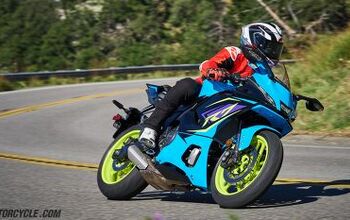
Yamaha didn’t reinvent the R7, but it didn’t need to.
The engine remains unchanged, still delivering the same parallel-twin character that’s defined the bike since its debut. The real update comes through the addition of ride-by-wire throttle, and while that might sound like a small tweak, it opens the door to something much bigger.
With that change comes a full suite of electronics derived from the R1—traction control, slide control, lift control, brake management, and an up-and-down quickshifter. These are features typically reserved for far more expensive machines, now filtering down into a middleweight sportbike that’s meant to be accessible and usable on a daily basis.
Our own Troy Siahaan had the chance to experience the new electronic suite earlier this month during the first ride of the 2026 Yamaha R7 around the famed Palomar Mountain Road in California.
The question, then, is whether this is the right direction for a bike like the R7?
Part of its original appeal was its simplicity—a lightweight, approachable sportbike that didn’t overwhelm riders with technology. Now, with a growing list of electronic aids, it starts to edge closer to the high-tech territory of its superbike sibling, the R1.
But with a point of entry under $10,000, the value proposition is hard to ignore. But it does raise an interesting point for riders: do you want your middleweight sportbike to stay simple, or is this level of electronic support exactly what the segment has been missing?
Become a Motorcycle.com insider. Get the latest motorcycle news first by subscribing to our newsletter here.

Motorcycle.com presents an unrivaled combination of bike reviews and news written by industry experts
More by Motorcycle.com Staff






Comments
Join the conversation
70 hp doesn’t need wheelie control, sophisticated traction control, etc. It does need more power to compete with its rivals, though. Keep it simple and keep the price down!
If I was going to build a club racing monster, I'd start with the R7 canvass.
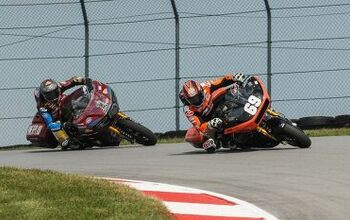
MotoAmerica makes near 100 horsepower with the CP2. Aussie firm has turned the CP2 into turbocharged monsters hitting sub 10 second quarter miles. There's a lot of potential baked in, but like anything, it takes money and a shop that knows what they're doing.
Also the CP2 is used in the Isle of Man TT Supertwins class.
Would be fun to have a sub-400 pound great sounding 105-110 horsepower twin to fling around.
It's like the SV650S dream of the future.